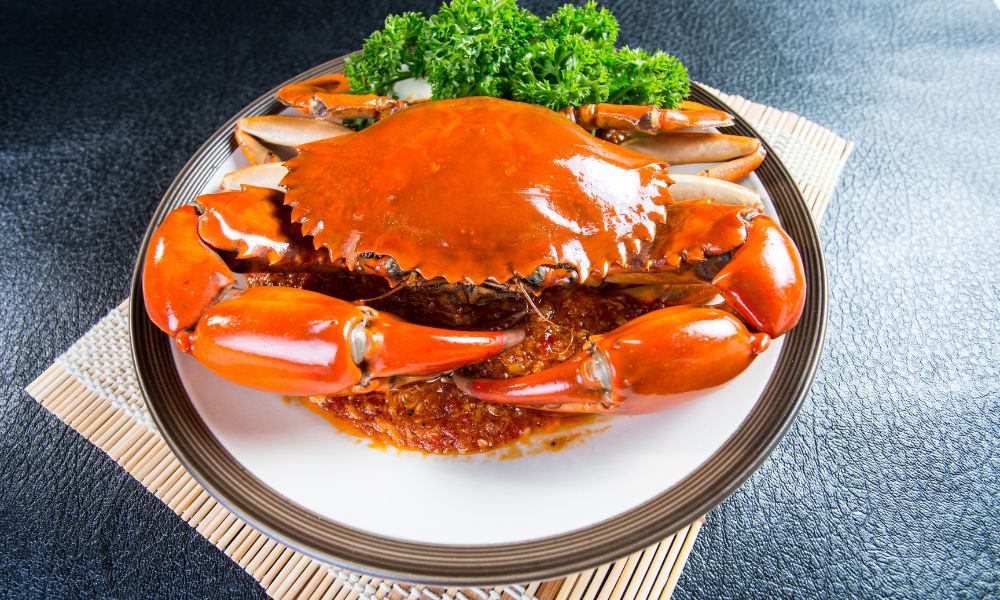
Baltimore, Maryland, is one of the most famous destinations in the United States for fresh blue crab. The city’s location along the Chesapeake Bay makes it a hub for seafood lovers who come to enjoy crab feasts and waterfront dining. Knowing the right time and place to experience crab season in Baltimore helps visitors enjoy this regional delicacy at its freshest and most flavorful. The blue crab season plays an important role in the city’s culture, economy, and culinary reputation crab in Baltimore.
Understanding Crab Season in Baltimore
The Chesapeake Bay is home to the Callinectes sapidus, also known as the Maryland blue crab. The crab season typically runs from April through October, depending on weather conditions and water temperature. Crabs become more active in warmer waters, which makes late spring through early fall the best time to catch and eat them.
The peak season occurs between June and September, when the crabs are largest and meatier. During this time, restaurants and seafood markets in Baltimore serve fresh, locally caught blue crabs that are steamed, seasoned, and prepared in traditional Maryland style. The off-season, from November through March, usually features imported crabs or frozen crab meat, as local harvesting slows down due to colder temperatures.
Maryland’s Department of Natural Resources regulates crab harvesting to maintain sustainability. Size limits, daily catch quotas, and restrictions on harvesting female crabs help preserve the population and protect the Chesapeake Bay’s ecosystem.
Why Crab Season Matters
Crab season is more than just a time of year for eating seafood; it supports the regional economy and connects Baltimore to its maritime heritage. The commercial crabbing industry provides thousands of jobs across the state. Watermen, seafood processors, and restaurant owners depend on the abundance of blue crabs during the warm months.
Culturally, crab season brings people together. Crab feasts, festivals, and outdoor dining events are common throughout Baltimore. These gatherings often feature steamed crabs coated in Old Bay seasoning, corn on the cob, and local craft beer. The experience combines food, tradition, and community in one event that defines Maryland’s identity.
Tourism also increases during crab season. Visitors come from across the country to enjoy authentic crab dishes and waterfront views. The city’s Inner Harbor, seafood markets, and local crab houses attract large crowds eager to taste freshly caught blue crab.
Where to Experience the Best Crab in Baltimore
Baltimore has several well-known crab houses and seafood restaurants that offer authentic crab dining experiences during the season. Each location emphasizes freshness, local sourcing, and traditional preparation methods.
Phillips Seafood – Located at the Inner Harbor, Phillips has served Maryland-style crabs for decades. It offers steamed crabs, crab cakes, and all-you-can-eat crab feasts during summer.
LP Steamers – A casual restaurant in Locust Point known for its hand-steamed blue crabs and rooftop dining with views of the harbor.
Jimmy’s Famous Seafood – A long-established family restaurant offering steamed crabs, crab cakes, and other Maryland specialties.
Bo Brooks Restaurant – Situated on the Canton waterfront, Bo Brooks is known for its outdoor seating, crab pots, and classic Maryland recipes.
Nick’s Fish House – Located along the Middle Branch of the Patapsco River, this spot combines a relaxed atmosphere with freshly steamed crabs and local seafood platters.
These restaurants use traditional steaming methods that preserve the crab’s sweetness and natural texture. Crabs are cooked with a mixture of vinegar, water, and beer, then coated with Old Bay seasoning, a spice blend that originated in Maryland in 1939.
Events and Festivals During Crab Season
Baltimore celebrates crab season with several popular events that highlight Maryland’s seafood culture.
The Maryland Seafood Festival, held annually in early September, showcases local dishes, crab cooking competitions, and live music. The Chesapeake Crab and Beer Festival attracts visitors with unlimited crab servings and craft beer tastings along the waterfront.
During summer weekends, many neighborhoods also host local crab feasts, where residents gather to enjoy crabs in a casual outdoor setting. These events often feature live entertainment, family activities, and community fundraising efforts.
Crabbing is not limited to restaurants. Recreational crabbing is a common activity for locals and tourists. Public piers and parks around Baltimore, such as the Cox’s Point Park and Fort Smallwood Park, provide spaces where people can catch their own crabs using crab pots, trotlines, or dip nets. A valid recreational crabbing license is required for those who want to harvest crabs personally.
Seasonal Crab Varieties
During crab season, both hard-shell and soft-shell crabs are available. Hard-shell crabs are the most common and are steamed whole. Soft-shell crabs, on the other hand, are blue crabs that have recently molted their shells. These are cleaned and fried whole, offering a different texture and flavor. Soft-shell crabs are most available from May to September, aligning with the molting cycle.
Restaurants in Baltimore use both types in various dishes, such as crab sandwiches, crab cakes, and soups. The famous Maryland crab soup, made with tomato broth and vegetables, is another regional specialty served throughout the season.
FAQ
Q1: When is the best time to visit Baltimore for crab season?
The best time to visit is between June and September when blue crabs are at their largest and most flavorful.
Q2: Are crabs available year-round in Baltimore?
Crabs are available year-round, but the freshest local crabs are caught from April to October. In the off-season, most crabs are imported.
Q3: What type of crab is most common in Baltimore?
The Chesapeake Bay blue crab, known scientifically as Callinectes sapidus, is the most common species served in Baltimore.
Q4: Can visitors go crabbing in Baltimore?
Yes. Recreational crabbing is allowed in several public areas with the proper license and equipment.
Q5: What makes Maryland crab unique?
Maryland blue crabs have a sweet flavor and tender meat due to the Chesapeake Bay’s brackish water, making them distinct from crabs found in other regions.
Conclusion
Crab season in Baltimore is one of the city’s most important and celebrated traditions. From April through October, the Chesapeake Bay produces some of the finest blue crabs in the world. The season supports the local economy, attracts visitors, and strengthens the city’s cultural identity. Whether enjoying steamed crabs at a waterfront restaurant, attending a seafood festival, or catching crabs along the bay, Baltimore offers an authentic experience that reflects the state’s maritime heritage. The Maryland blue crab remains a symbol of freshness, tradition, and community that continues to define Baltimore’s culinary landscape year after year.