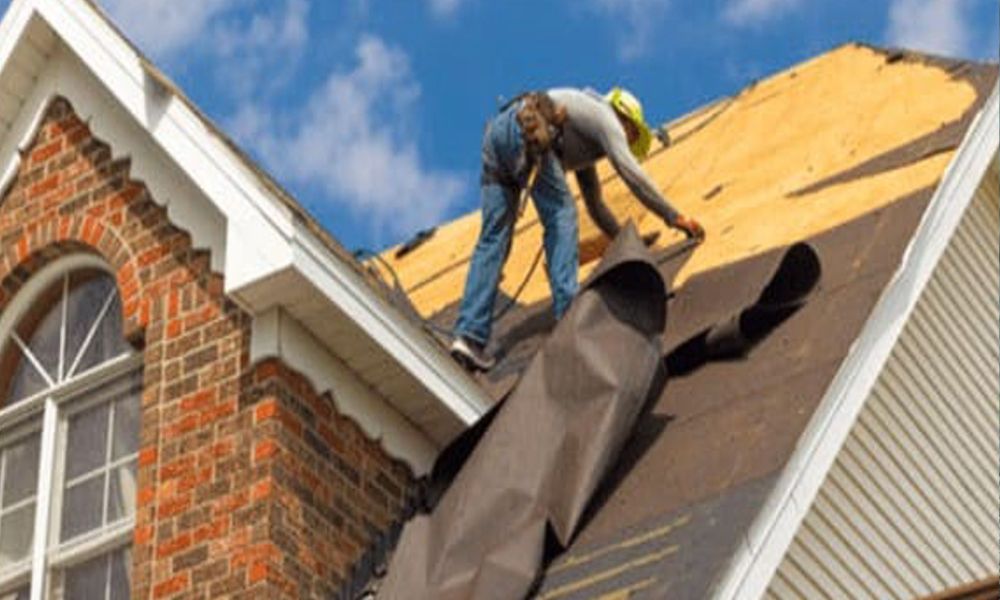
A durable roof is essential for protecting residential and commercial properties from water damage, structural issues, and energy inefficiency. In New Jersey, roofs are exposed to heavy rain, snow, high winds, and seasonal temperature changes. Trusted roofing repair contractors provide fast and reliable services that maintain roof integrity, extend lifespan, and ensure compliance with state building codes. Professional contractors offer inspections, repairs, and replacements to keep properties secure and energy-efficient Roofing repair New Jersey.
Understanding Roofing Repair Services in New Jersey
Roofing repair services in New Jersey address various issues, including leaks, damaged or missing shingles, cracked flashing, and storm-related damage. Even minor problems can escalate into structural damage, mold growth, and increased energy costs if not addressed promptly.
Experienced contractors use advanced tools such as infrared cameras, moisture meters, and visual inspection techniques to accurately identify the source of damage. Repairs involve replacing damaged materials, sealing leaks, and reinforcing structural components. Materials commonly used include asphalt shingles, metal panels, and EPDM membranes, selected for durability and compatibility with existing roofing systems.
Residential Roof Repair Services
Residential roofing repair services protect homes while maintaining energy efficiency. Common issues include roof leaks, shingle damage, ice dams, and gutter blockages. These problems can affect insulation and ventilation, leading to higher heating and cooling costs.
Professional roof inspections are recommended at least twice a year, typically in spring and fall, and after major storms. Minor repairs such as shingle replacement and leak sealing prevent extensive damage and prolong the roof’s lifespan. Timely maintenance preserves indoor comfort, prevents structural issues, and reduces the need for costly replacements.
Commercial Roof Repair Services
Commercial roofing systems in New Jersey often feature flat or low-slope designs that require specialized repair techniques. Materials such as TPO, EPDM, PVC, and modified bitumen are commonly used due to their durability and resistance to water pooling.
Regular inspections and preventive maintenance reduce the risk of leaks, structural damage, and operational downtime. Repairs may include patching membrane tears, reinforcing seams, and applying protective coatings. Energy-efficient repair solutions, such as reflective coatings, can lower cooling costs by up to 20% in large commercial buildings. Contractors ensure that repairs comply with local building codes, fire safety regulations, and environmental standards.
Roof Replacement Services
Roof replacement is necessary when a roof is extensively damaged or reaches the end of its service life. Replacement involves removing old materials, inspecting the deck structure, and installing new roofing systems with high-quality materials. Common options in New Jersey include asphalt shingles, metal panels, slate, and clay tiles.
Residential roof replacements typically cost between $6,000 and $15,000 depending on material, roof size, and labor. Commercial replacements vary based on square footage and complexity. Proper installation improves insulation, energy efficiency, and property value. Professional contractors ensure that new roofs comply with manufacturer specifications and New Jersey building codes.
Energy Efficiency and Sustainability
Energy-efficient roofing materials reduce utility costs and environmental impact. Reflective shingles, cool roofing membranes, and metal panels lower indoor temperatures during summer months. Proper ventilation and insulation prevent moisture accumulation, mold growth, and premature roof deterioration.
Sustainable options, including recycled shingles, composite panels, and green roofs, provide durability, long-term cost savings, and environmental benefits. Roofing contractors recommend materials that balance affordability, performance, and energy efficiency while withstanding New Jersey’s variable climate.
Choosing a Trusted Roofing Contractor in New Jersey
Selecting a licensed and insured roofing contractor ensures quality, safety, and compliance with state regulations. Experienced contractors provide detailed estimates, project timelines, and warranty coverage for materials and labor. Manufacturer-certified contractors offer warranties ranging from 10 to 25 years, guaranteeing long-term protection.
Property owners should evaluate contractor certifications, experience, and customer reviews before hiring. Professional roofers deliver accurate assessments, quality materials, and efficient repair or replacement services, extending roof lifespan and protecting properties from weather-related damage.
FAQs
How often should roofs be inspected in New Jersey?
Inspections should occur at least twice a year, in spring and fall, and after major storms to detect damage early.
What is the average cost of roof repair in NJ?
Minor repairs typically cost between $300 and $1,000, while extensive repairs may range from $1,500 to $5,000 depending on the severity of the damage.
Can roof damage increase energy bills?
Yes. Leaks, missing shingles, and poor insulation reduce energy efficiency, leading to higher heating and cooling costs.
Do roofing contractors provide warranties?
Yes. Most licensed contractors offer manufacturer warranties and labor warranties ranging from 10 to 25 years.
When should a roof be replaced instead of repaired?
Replacement is necessary when damage is widespread, repairs are frequent, or the roof has reached the end of its expected lifespan.
Conclusion
Trusted roofing repair contractors in New Jersey provide fast, reliable, and comprehensive services for both residential and commercial properties. Professional inspections, repairs, and replacements restore roof integrity, enhance energy efficiency, and prevent structural damage. Timely maintenance and high-quality materials extend roof lifespan and protect property investments. Partnering with a licensed and experienced NJ roofing contractor ensures long-term performance and reliable protection under all weather conditions.